

SKIN HEALTH | BEAUTY & WELLNESS | SPECIAL REPORT
From headphones and smartphone screens to helmet straps and face masks, everyday accessories may be contributing to unexpected breakouts. Dermatologists recognize this phenomenon as acne mechanica – a type of acne associated with repeated friction, pressure, heat and trapped moisture.
A SKINCARE PROBLEM HIDING IN PLAIN SIGHT
Acne is often associated with hormonal changes, excess oil production and clogged pores. However, an overlooked factor may be much closer than people think: the everyday objects that come into contact with their skin.
Headphones resting against the cheeks, tight helmet straps, face masks and even backpack straps can create repeated pressure and friction. When combined with heat and sweat, these conditions may irritate hair follicles and aggravate existing acne.
This phenomenon is known as acne mechanica, a recognized form of acne triggered or worsened by mechanical stress on the skin.
WHAT EXACTLY IS ACNE MECHANICA?
Unlike typical acne, which is influenced by several internal and external factors, acne mechanica is particularly associated with physical irritation.
When an area of skin experiences repeated rubbing, pressure or prolonged contact with an object, heat and moisture can become trapped. This may contribute to follicular irritation and inflammatory breakouts.
Common areas affected include:
- Forehead: Tight hats, helmets and headbands.
- Cheeks: Face masks, headphones and frequent phone contact.
- Jawline: Helmet straps and chin guards.
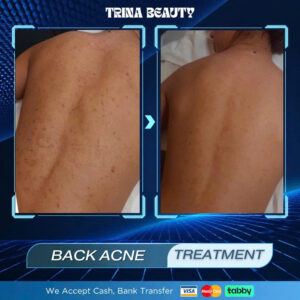
- Shoulders and back: Backpack straps, tight clothing and sports equipment.
One important clue is the location of the breakouts. If blemishes repeatedly appear in areas where accessories touch the skin, mechanical irritation may be worth considering.
WHY YOUR REGULAR SKINCARE ROUTINE MAY NOT BE ENOUGH
Many people respond to persistent breakouts by adding more exfoliating products, stronger cleansers or multiple acne treatments.
However, treating the skin without addressing the source of irritation may not be enough.
Repeated friction can continue to aggravate the affected areas, while excessive cleansing and harsh skincare products may further compromise the skin barrier.
A more effective approach starts with understanding what is triggering the breakouts, maintaining gentle cleansing habits and choosing appropriate treatments based on individual skin conditions.
5 EVERYDAY HABITS THAT MAY HELP REDUCE BREAKOUTS
Dermatologists recommend paying attention to both skincare and daily habits.
1. Clean frequently used accessories
Regularly clean headphones, helmet padding and other objects that come into contact with your skin.
2. Avoid unnecessary friction
Choose properly fitted accessories and avoid repeatedly rubbing or pressing against acne-prone areas.
3. Manage sweat and moisture
After exercising or sweating, gently cleanse the skin rather than allowing sweat and moisture to remain trapped for extended periods.
4. Choose non-comedogenic skincare
Look for products formulated not to clog pores, particularly when selecting moisturizers and sunscreen.
5. Seek professional acne assessment
Persistent, painful or recurring acne may require professional evaluation to identify its underlying causes and determine the most appropriate treatment.
BEYOND DAILY HABITS: WHY PROFESSIONAL ACNE CARE MATTERS
While lifestyle adjustments can help reduce potential triggers, they may not be sufficient for everyone.
Persistent acne can involve multiple factors, including excess sebum, clogged follicles, inflammation and hormonal influences. This is why a personalized skincare assessment is important before choosing a treatment approach.
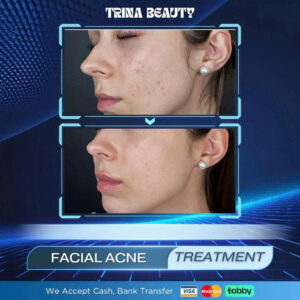
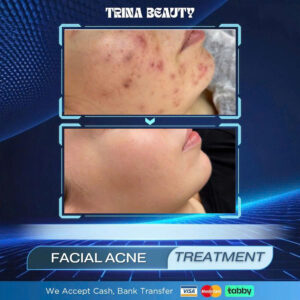
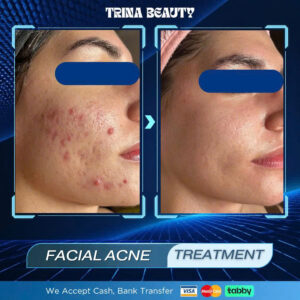
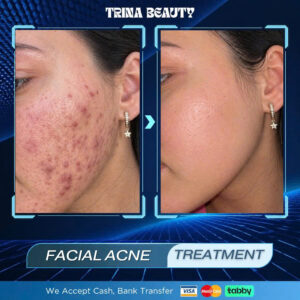
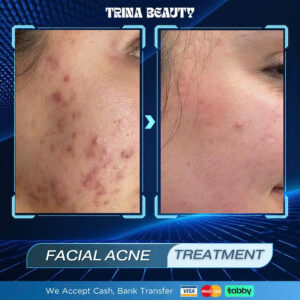
Professional acne care may include deep cleansing, targeted exfoliation and specialized technologies, depending on the individual’s skin condition.
The goal is not simply to make breakouts disappear temporarily, but to support healthier skin through an appropriate and consistent treatment plan.
THE TAKEAWAY: YOUR SKIN IS RESPONDING TO MORE THAN JUST YOUR SKINCARE
Acne does not always begin with a new skincare product or a change in diet. Sometimes, the contributing factors are hidden in everyday routines that people rarely think about.
Understanding acne triggers, protecting the skin barrier and seeking appropriate professional care can make a meaningful difference in managing recurring breakouts.
Clearer skin starts with understanding what your skin is trying to tell you.
EDITORIAL NOTE
This article is for general skincare education and does not replace a professional dermatological diagnosis. Acne triggers and treatment responses vary between individuals.


